
Understanding the Hip Labrum: What It Does, Why It Tears, and How It's Repaired
What Is the Hip Labrum?
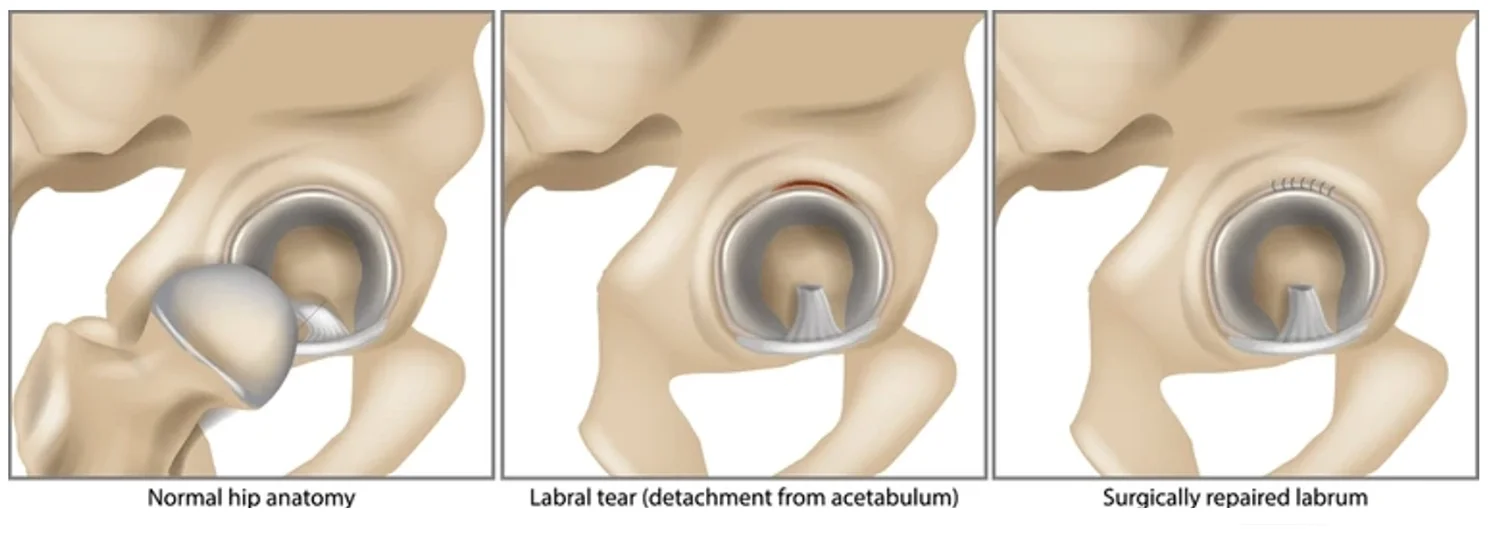
The hip is a ball-and-socket joint, where the rounded head of the femur (thigh bone) sits inside the acetabulum (a cup-shaped socket in the pelvis). Lining the rim of this socket is a ring of fibrocartilage called the labrum.
The labrum serves several vital functions:
Deepens the socket — The labrum effectively increases the depth of the acetabulum by up to 21%, providing greater coverage of the femoral head and improving overall joint stability.
Acts as a suction seal — It creates a negative-pressure seal that holds the femoral head securely in the socket, reducing abnormal movement and distributing load across the joint.
Protects cartilage — By evenly distributing forces across the joint surface, the labrum helps protect the underlying articular cartilage from excessive wear.
Contains nerve endings — The labrum contributes to proprioception (the body's sense of joint position), helping to coordinate hip movement.
When the labrum is damaged, these functions are compromised — which is why labral tears often produce such a distinctive and debilitating set of symptoms.
Why Does the Hip Labrum Tear?
Labral tears can occur for a number of reasons. Most commonly, they result from one of the following:
1. Femoroacetabular Impingement (FAI)
FAI is the most common underlying cause of labral tears. It occurs when there is abnormal bony contact between the femoral head and the acetabular rim during hip movement. This can be due to extra bone growth on the femoral head (cam impingement), overgrowth of the acetabular rim (pincer impingement), or a combination of both. Over time, the repetitive pinching damages the labrum, leading to tearing.
2. Acute Trauma
A sudden twisting injury, a fall, or a direct blow to the hip can tear the labrum. This is common in patients who dislocate their hip after a motor vehicle accident.
3. Hip Dysplasia
In patients with hip dysplasia, the acetabular socket is too shallow, leaving the femoral head insufficiently covered. The labrum is forced to compensate for this instability, taking on excessive load and becoming susceptible to tearing.
4. Age-Related Degeneration
Like other soft tissue structures, the labrum can degenerate with age, becoming more brittle and susceptible to tears — even without a specific identifiable injury.
Recognising a Labral Tear: Common Symptoms
Symptoms of a hip labral tear can vary, but typically include:
Deep groin pain or pain felt in the front, side, or buttock area of the hip
A clicking, locking, or catching sensation in the hip
Pain that worsens with prolonged sitting, walking, or athletic activity
Stiffness and reduced range of motion
Diagnosis is confirmed through a thorough clinical examination and MRI. In addition, a special series of X-rays are obtained to evaluated possible deformities of the hip that may cause the labral tear.
The Role of Labral Repair: Why Fixing It Matters
Historically, torn labral tissue was simply removed (a procedure called labral debridement). While this can provide short-term pain relief, research has shown that the labrum plays a critical protective role in the long-term health of the hip joint. Removing it — rather than repairing it — may accelerate the development of osteoarthritis.
Modern hip arthroscopy has transformed our ability to repair the labrum. Rather than simply trimming away damaged tissue, the goal is now to restore labral function as close to normal as possible.
How Labral Repair Works
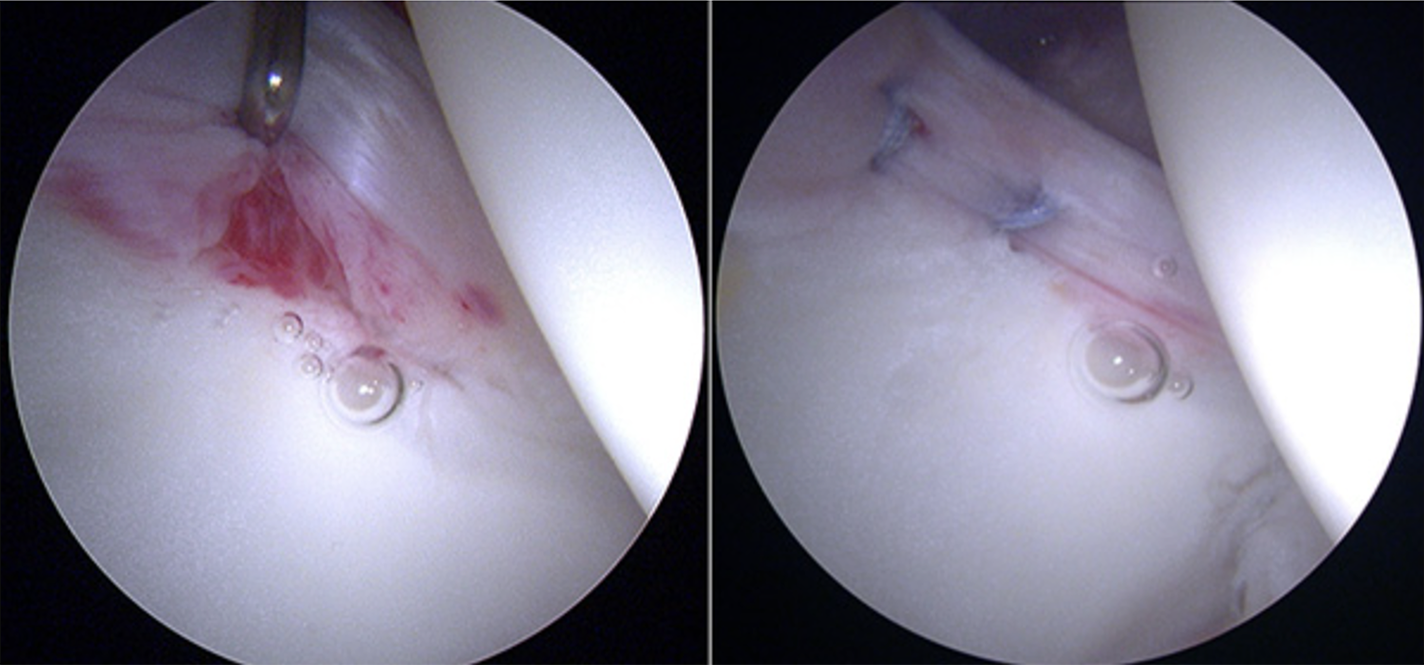
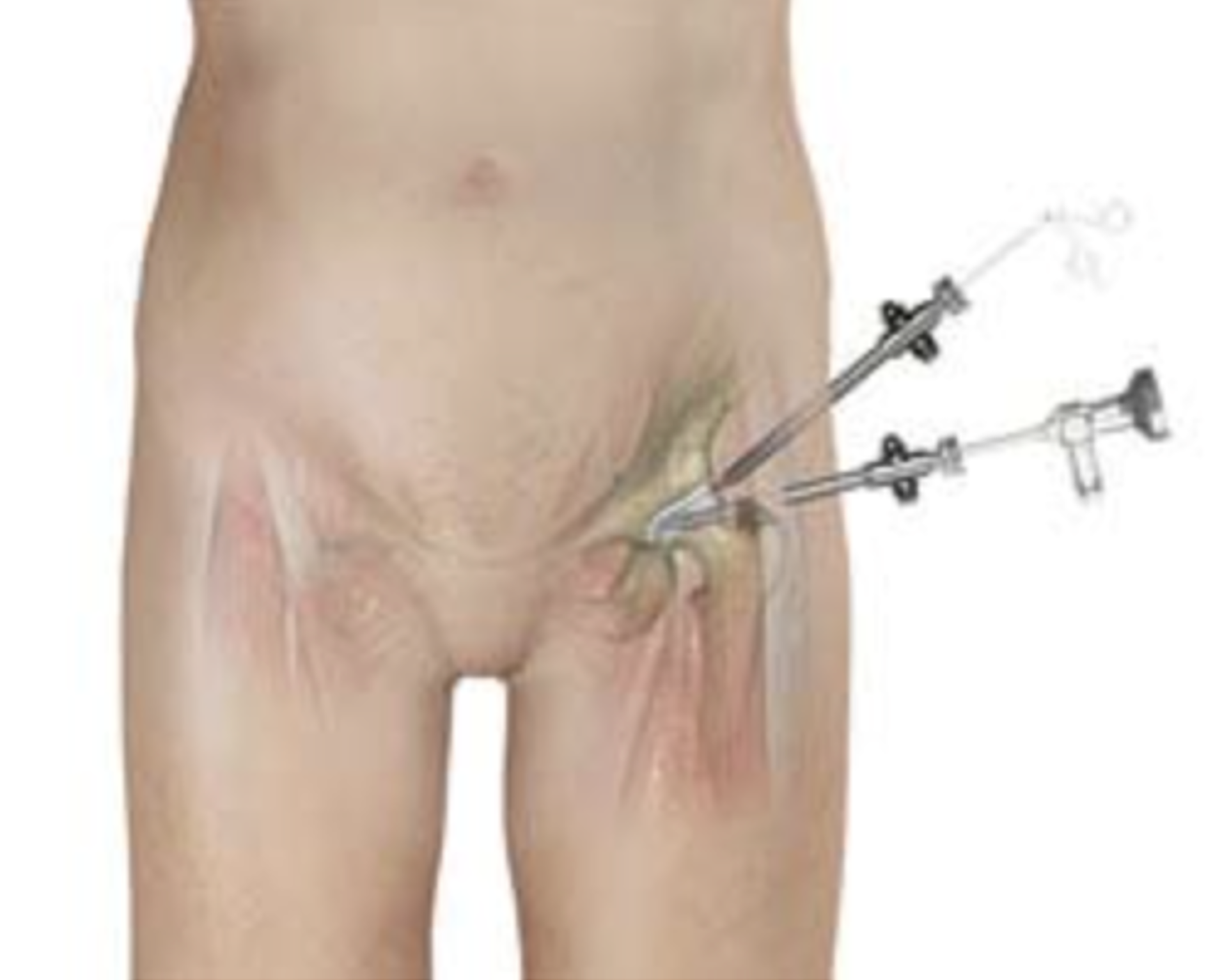
During hip arthroscopy, small incisions are made around the hip and a camera (arthroscope) is inserted along with fine surgical instruments. The torn labrum is reattached to the acetabular rim using tiny suture anchors — small devices that anchor stitches into the bone, holding the repaired tissue securely in place as it heals.
If a significant portion of the labrum has been destroyed or is of poor quality (as can occur in revision cases or severe degeneration), labral reconstruction may be considered. In this procedure, the damaged labrum is replaced using a graft — typically taken from another part of the patient's body (autograft) or from a donor tissue bank (allograft).
Addressing the Underlying Cause
Critically, repairing the labrum alone is rarely sufficient if the underlying cause of the tear is not also corrected. In patients with FAI, bone reshaping (osteoplasty) is performed at the same time — smoothing off the cam or pincer deformity to prevent the impingement from recurring and damaging the repaired tissue. Failing to address the bony abnormality significantly increases the risk of re-tearing the labrum.
The Benefits of Labral Repair
Evidence strongly supports labral repair over debridement for most patients. Benefits include:
Restoration of the protective suction-seal mechanism
Reduced risk of progressive cartilage damage and early-onset arthritis
Improved pain relief and long-term outcomes compared to debridement alone
Return to sport and high-level physical activity for the majority of patients
Minimally invasive approach with small incisions, reduced recovery time, and low complication rates
Is Hip Arthroscopy Right for Everyone?
Hip arthroscopy and labral repair are not appropriate for all patients. In those with significant osteoarthritis already present in the joint, the outcomes of arthroscopy are less predictable, and other treatments, such as total hip replacement. A thorough assessment, including X-rays and MRI, is essential to determine whether you are a suitable candidate for labral repair.
