
Lateral Extra-Articular Tenodesis: Enhancing ACL Reconstruction Outcomes
Anterior cruciate ligament (ACL) reconstruction is one of the most commonly performed orthopaedic procedures worldwide, yet a proportion of patients continue to experience rotational instability or suffer re-rupture after surgery. For certain patients — particularly young athletes, those with high-grade pivot shift, or those with specific anatomical risk factors — a technique called lateral extra-articular tenodesis (LEAT) is increasingly being used alongside standard ACL reconstruction to improve outcomes.
Here's what you need to know about this procedure, who it's suited for, and what the evidence says.
What Is Lateral Extra-Articular Tenodesis?
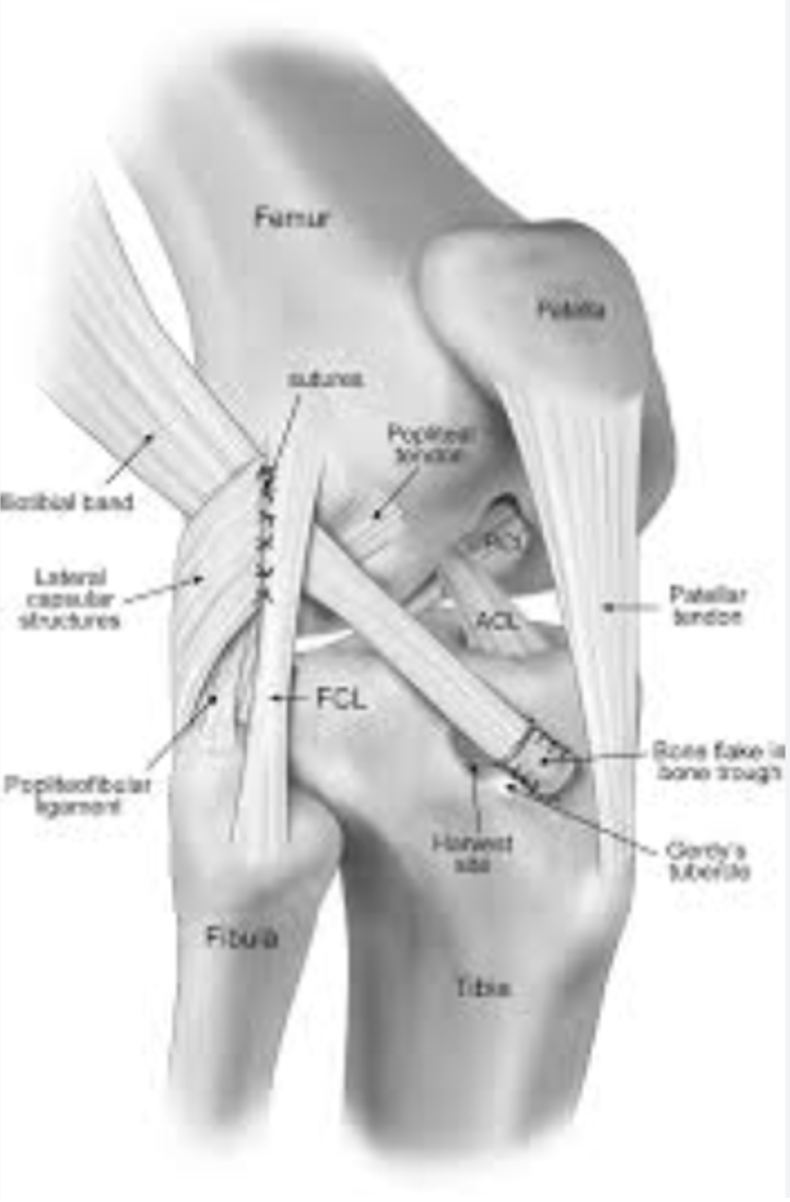
Lateral extra-articular tenodesis is a supplementary surgical procedure performed on the outside (lateral side) of the knee, designed to control abnormal rotational movement of the tibia relative to the femur. Unlike the ACL graft itself — which is placed inside the knee joint (intra-articular) — LEAT works on the structures outside the joint to provide an additional restraint against internal tibial rotation.
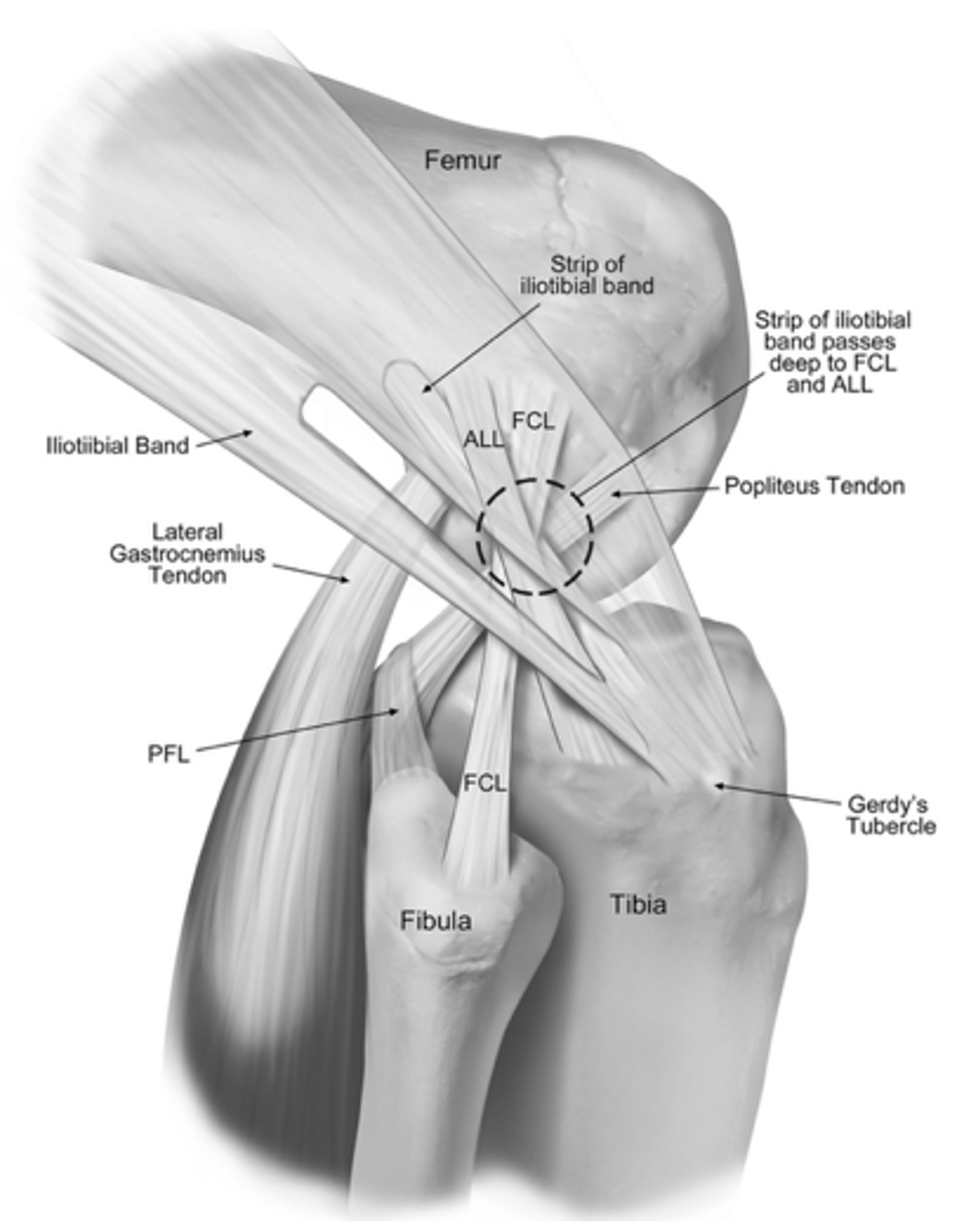
The most widely used modern techniques use a strip of the iliotibial band (ITB) routed beneath the fibular collateral ligament and fixed it to either the anterior-lateral tibia or the lateral femoral condyle. The result is a dual-layer system of controlling the rotational laxity of the knee, which prevents increased forces experienced by the reconstructed graft.
Why Is Rotational Stability So Important?
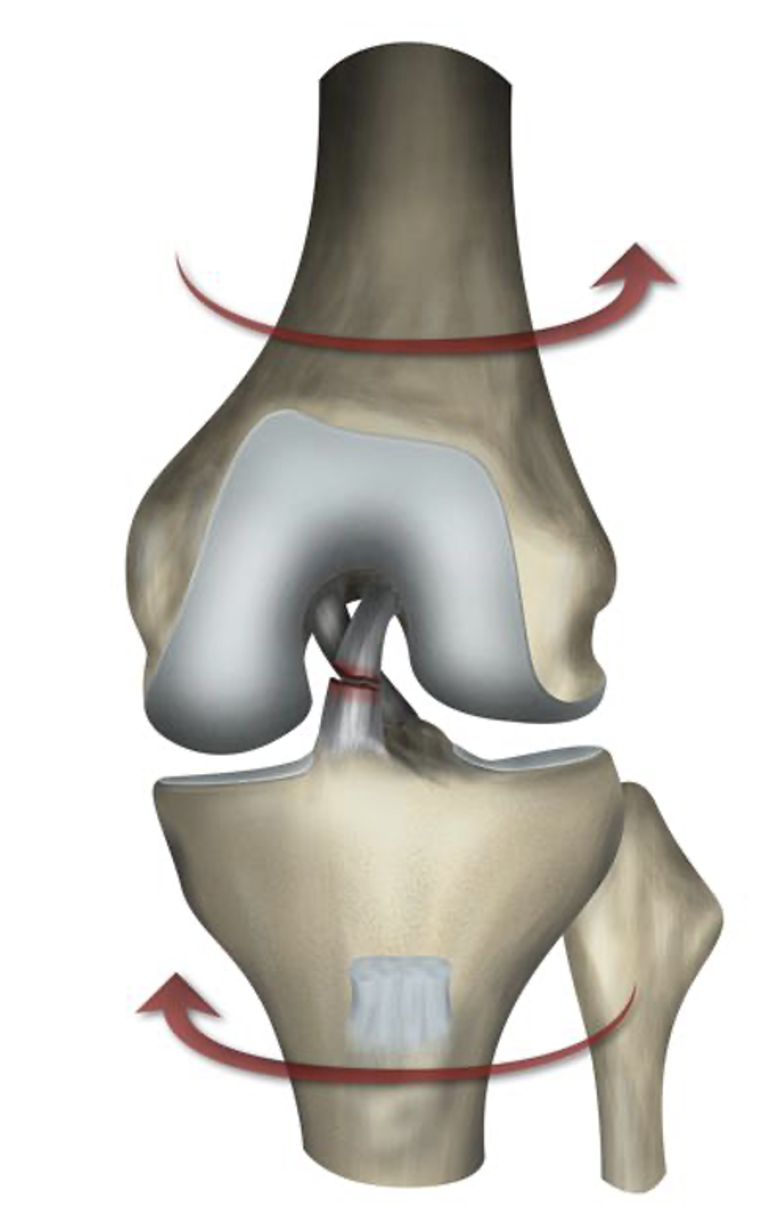
The "pivot shift" — decreased rotational stability to the knee — is one of the most functionally disabling signs of ACL deficiency. It occurs because the tibia subluxes forward and internally rotates on the femur during activity.
While ACL reconstruction significantly reduces this rotational laxity in most patients, studies consistently show that the rotational stability is not fully achieved in a significant proportion of cases with isolated ACL reconstruction. Residual rotational laxity is linked to:
Higher rates of graft failure and re-rupture
Persistent symptoms of instability
LEAT directly targets this rotational component, providing additional restraint precisely where the ACL graft is weakest — during high-demand change-of-direction activities.
Who Is a Candidate for LEAT?
Not every patient undergoing ACL reconstruction requires a LEAT. However, it is increasingly recommended in patients with one or more of the following risk factors for graft failure or residual instability:
Young age (under 25), particularly in skeletally mature adolescents and young adults
High-grade pivot shift (Grade 2 or 3) on pre-operative examination
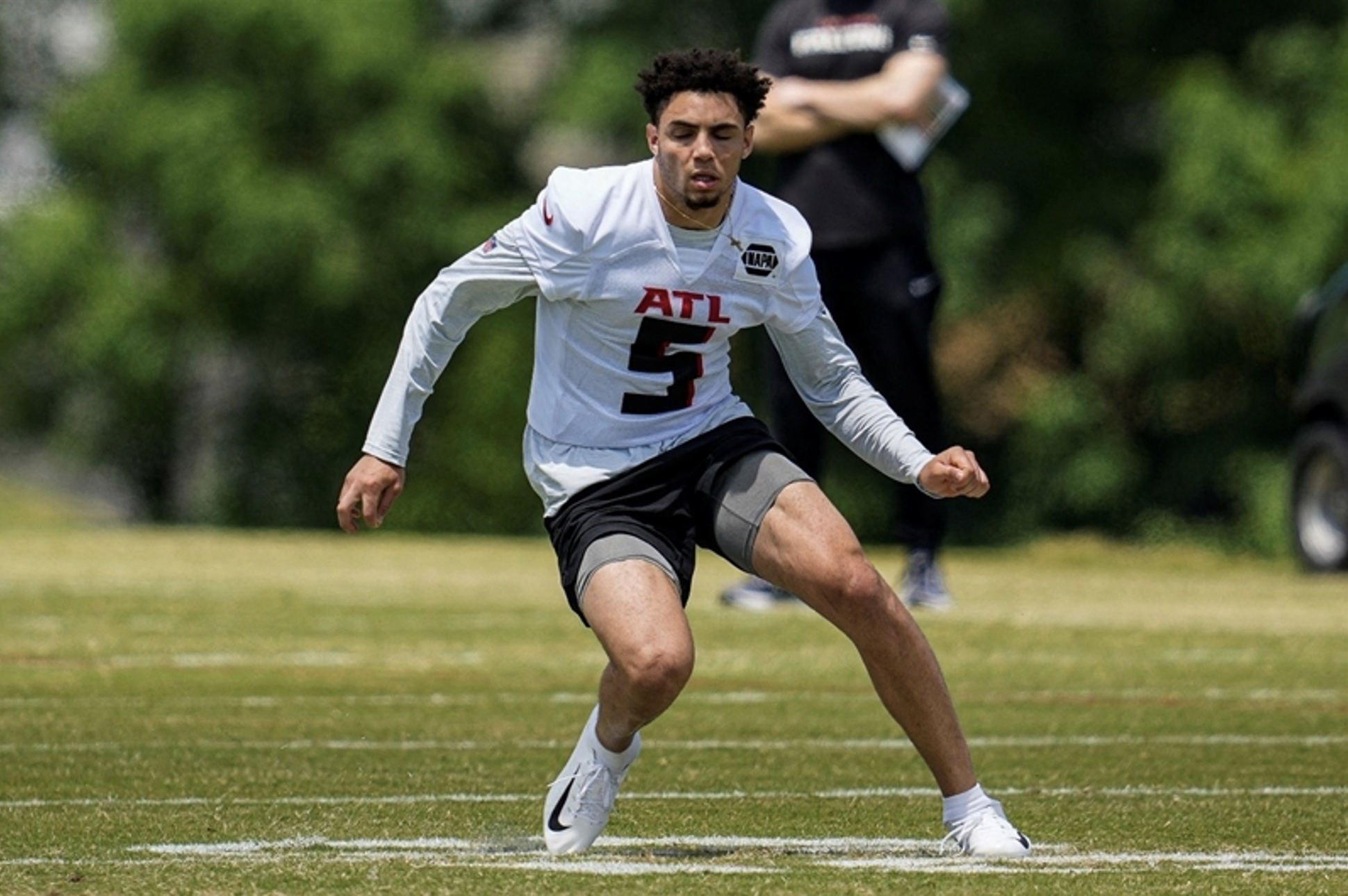
Participation in high-demand pivot sports such as soccer, AFL, rugby, basketball, or skiing
Revision ACL reconstruction (i.e., a previous ACL graft has already failed)
Hyperlaxity or generalised joint hypermobility
Specific anatomical risk factors including a steep lateral tibial plateau slope
The decision to add a LEAT is made on an individual basis, weighing the patient's risk profile, activity level, and goals.
What Does the Evidence Say?
The addition of LEAT to ACL reconstruction has gained significant support from high-quality clinical research in recent years.
The landmark STABILITY 1 trial — a multicentre randomised controlled trial — demonstrated that adding a modified Lemaire tenodesis to hamstring tendon ACL reconstruction in young, active patients reduced the risk of graft re-rupture by approximately 40% compared to isolated ACL reconstruction at two-year follow-up. Patients in the LEAT group also showed significantly better rotational stability.
Further studies and meta-analyses have confirmed:
Significantly reduced rates of graft failure in high-risk patients
Better correction of the rotational laxity at time-zero and at follow-up
No strong evidence of improved patient-reported outcome scores compared or return to sports when compared to isolated ACL reconstruction
Importantly, there are concerns that LEAT might cause over-constraint of the knee which may increase rates of developing osteoarthritis. However, current high-level evidence has not supported this theory.
The Surgical Procedure: What to Expect
LEAT is performed as part of the same surgical session as ACL reconstruction and adds relatively little operative time — typically 10 to 15 additional minutes.
During the procedure:
The ACL reconstruction is performed first using the chosen graft
A strip of the iliotibial band (approximately 1 cm wide and 8 cm long)
This strip is passed beneath the fibular collateral ligament
It is then fixed to either the lateral femoral condyle or anterior-lateral tibia with a suture anchor, with the knee held in a specific position of flexion and rotation to set appropriate tension
The ITB strip remains either partially attached distally or proximally, preserving some of its anatomical function.
Recovery and Rehabilitation
Recovery from ACL reconstruction with LEAT follows a similar timeline to standard ACL surgery. However, LEAT procedures produce more postoperative pain when compared to isolated ACL reconstructions. In addition, patients find it more difficult to restore normal knee range of motion, in particular, knee extension. It fact, LEAT increases your risk of developing early knee stiffness requiring further surgery in the early stages of recovery to remove scar tissue.
Potential Risks and Considerations
As with all surgical procedures, LEAT carries some risks, which your surgeon will discuss with you in detail. These include:
Standard surgical risks: infection, bleeding, anaesthetic complications
Stiffness or restricted range of motion (uncommon with modern rehabilitation protocols)
Lateral knee discomfort over the hardware site
Theoretical risk of over-constraint (minimised by careful surgical technique and graft tensioning)
Donor site sensitivity and muscle herniation along the iliotibial band
Overall, the complication profile of combined ACL reconstruction with LEAT is well-established and acceptable, particularly when weighed against the benefit in appropriately selected patients.
The Bottom Line
Lateral extra-articular tenodesis represents a meaningful advance in ACL surgery for patients at elevated risk of graft failure. By addressing the rotational instability that isolated intra-articular ACL reconstruction can leave behind, LEAT offers an evidence-based strategy to reduce re-rupture rates, improve stability, and support better long-term outcomes.
If you are facing ACL reconstruction — particularly if you are young, active, or have previously suffered a graft failure — it is worth discussing with your surgeon whether a combined procedure may be appropriate for you.
